If you RDP (remote desktop) to a Windows 7 or 8 PC and see only a black screen the computers involved appear to be arguing over screen resolution. DEFAULT ~ What Bill G. For Windows XP/2003/Vista/2008/7/8/2012/10. Product Description: Transparent Screen Lock enables IT professionals to prevent unauthorized system access, while.
Why does my screen go black after the Windows screen when I boot?//My system will only boot correctly if I enable VGA mode. On a regular boot the OEM logo comes up, then the Windows logo, but after that I only get a black screen. Windows tries to set the display to its configured settings right after displaying the Windows logo, and just before displaying the login screen or desktop.
Meet the new browser for Windows 10 and learn the basics. Disk for recovery & repair. If you’re like most PC users, you probably got Windows Vista with a new PC or laptop. And if you’re like 99% of the population, you.

Windows black screen of death! Don't worry, read this article and get several solutions on how to fix Black screen error (BSoD) for Windows 8.1, 8, 7, Vista and XP. This application has requested the Runtime to terminate it in an unusual way.” And then I click Ok and then the screen stays black and only the cursor will be on. The term “BSOD” commonly refers to the Blue Screen of Death Windows 8 Crashing? How to Easily Troubleshoot Blue Screen & Other Issues Windows 8 Crashing?
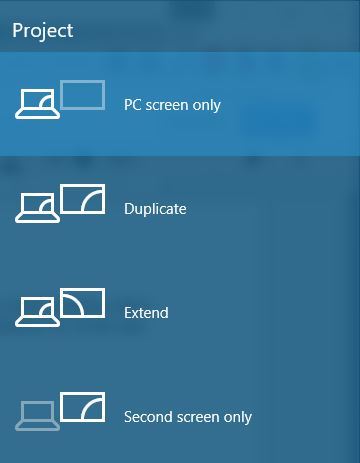
Nine times out of ten if that’s when your display stops, it’s simply because your display settings are set to something that your monitor can’t handle. Depending on what it’s not supporting, some monitors respond by going black .
Typically that’ll be 6. Change the Screen refresh rate to 6. Hertz. OK your way back out, and reboot your machine.
If these setting were the source of the problem, it should now be able to boot normally. You may not like the screen settings, but at least you now have a place to start.“Start experimenting with the settings to see what does, and does not, work with your monitor. If the display is still blank or gibberish, the my recommendation is to once again boot into Safe Mode, possibly Safe Mode with networking, and update your video display drivers. It’s likely that they are incorrect or otherwise broken. A place to start ? Start experimenting with the settings to see what does, and does not, work with your monitor. I tend to start with the screen resolution.
Once again right click on the desktop and click Properties, then Settings, and then drag the Screen Resolution slider a notch or two to the right to increase your display resolution. Now click Apply. It should change the resolution and display a small message box asking if you want to accept this setting.
If you don’t respond within some time, it assumes you can’t see it, so it resets to the previous setting. The lesson here? If the screen goes blank or you can’t read it, wait at least one minute before doing anything. The problem may resolve itself, and you’ll be able to say “well, that resolution doesn’t work”, and move on to try another. If, after a full minute or more the screen remains blank or unreadable, you’ll have to reboot into safe mode, as we did originally, to restore your setting. Windows “remembers” and doesn’t bother to ask you if you reset to something that you previously said worked. If you mistakenly said “this works” when it didn’t .


/http%3A%2F%2Fakmedia.digidesign.com%2Fsupport%2Fimages%2FPC%20Wizard%20w-Box%20smaller_45577.jpg)
/https%3A%2F%2Fupload.wikimedia.org%2Fwikipedia%2Fen%2Fthumb%2F1%2F12%2FPrevious_Versions_Vista.png%2F300px-Previous_Versions_Vista.png)
/http%3A%2F%2Fwww.wikihow.com%2Fimages%2F1%2F15%2FCreate-Recovery-Discs-for-Windows-Vista-in-HP-Recovery-Manager-Step-11.jpg)
/http%3A%2F%2Fassets.aten.com%2Fproduct%2Fimage%2FCS1734A-Desktop-KVM-Switches-OL-large.jpg)